
Poulet Adobo
Photo : Markus Winkler / Unsplash
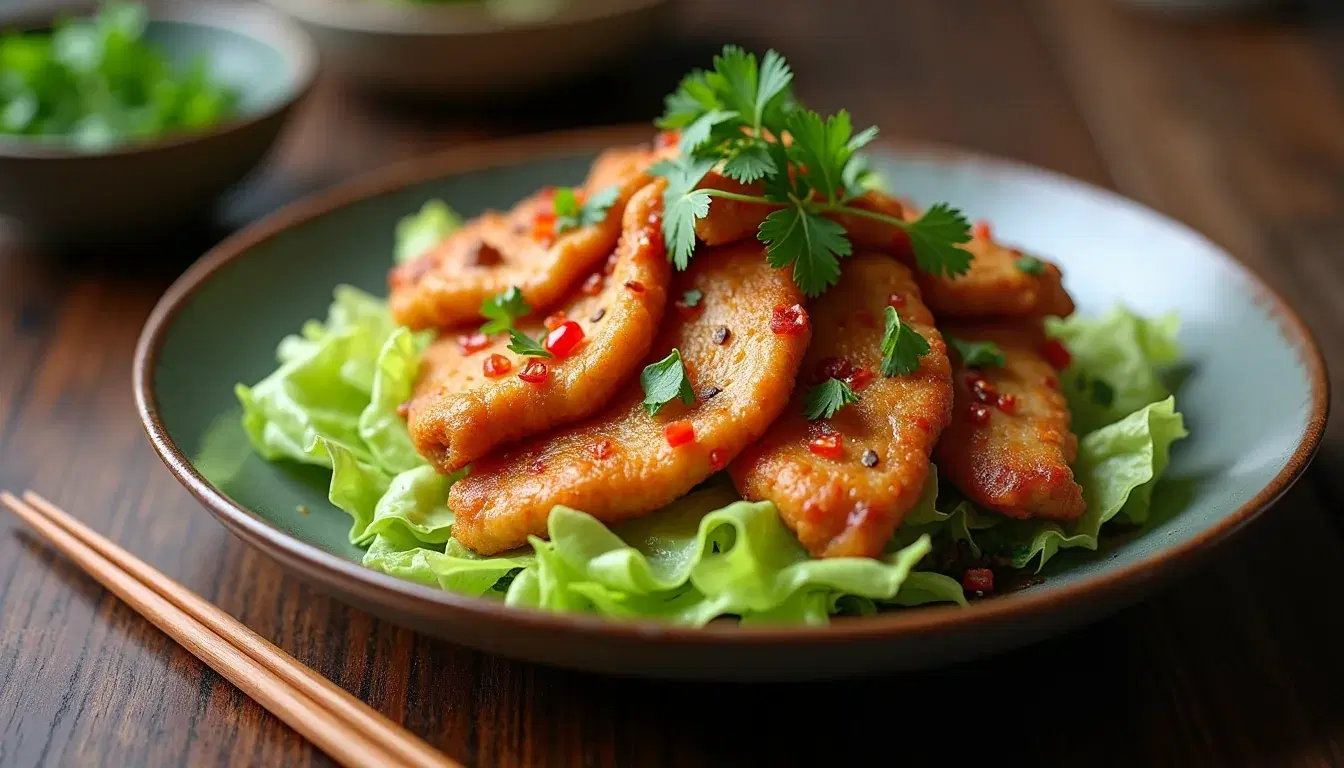
Le plat préféré des Philippines : cuisses de poulet braisées au vinaigre, soja, ail, laurier et poivre, puis saisies et laquées, sur riz à l'ail.
Portions
Ingrédients
Nutrition
Par portion
Étapes
Marinate
Combine the chicken, vinegar, soy sauce, garlic, bay leaves and peppercorns in a bowl. Leave for 30 minutes, or up to overnight in the fridge.
Cook in the sauce
Pour everything into a wide pan. Add the sugar and water and bring to a boil. Don't stir for the first few minutes so the sharp vinegar smell cooks off. Cover and let it bubble gently for about 30 minutes, until the chicken is very tender.
Thicken the sauce
This step is part of Foodie Premium. Subscribe to unlock the full method, cooking mode and every recipe in the library.
Brown the chicken
This step is part of Foodie Premium. Subscribe to unlock the full method, cooking mode and every recipe in the library.
Coat with sauce
This step is part of Foodie Premium. Subscribe to unlock the full method, cooking mode and every recipe in the library.
Serve
This step is part of Foodie Premium. Subscribe to unlock the full method, cooking mode and every recipe in the library.
Marinate
Combine the chicken, vinegar, soy sauce, garlic, bay leaves and peppercorns in a bowl. Leave for 30 minutes, or up to overnight in the fridge.
Cook in the sauce
Pour everything into a wide pan. Add the sugar and water and bring to a boil. Don't stir for the first few minutes so the sharp vinegar smell cooks off. Cover and let it bubble gently for about 30 minutes, until the chicken is very tender.
Thicken the sauce
This step is part of Foodie Premium. Subscribe to unlock the full method, cooking mode and every recipe in the library.
Brown the chicken
This step is part of Foodie Premium. Subscribe to unlock the full method, cooking mode and every recipe in the library.
Coat with sauce
This step is part of Foodie Premium. Subscribe to unlock the full method, cooking mode and every recipe in the library.
Serve
This step is part of Foodie Premium. Subscribe to unlock the full method, cooking mode and every recipe in the library.
The Story Behind the Dish
Long before the Spanish arrived, Filipino cooks preserved meat and fish by cooking it in vinegar and salt — a smart technique in a hot, humid climate. When Spanish colonisers saw it in the 16th century, they called it adobo, after their own word for a marinade, and the name stuck.
Soy sauce, brought by Chinese traders, later joined the vinegar, and today there are as many versions of adobo as there are Filipino families.
⭐ Why It's Famous
It's often called the unofficial national dish of the Philippines: simple, deeply savoury and loved at home and abroad.
💡 Fun Fact
Thanks to the vinegar, adobo keeps well for days without refrigeration — and most Filipinos agree it tastes even better the next day.
The Philippines
14.60°N, 120.98°E
Recettes similaires

Comments (0)
No comments yet. Be the first to share your thoughts!