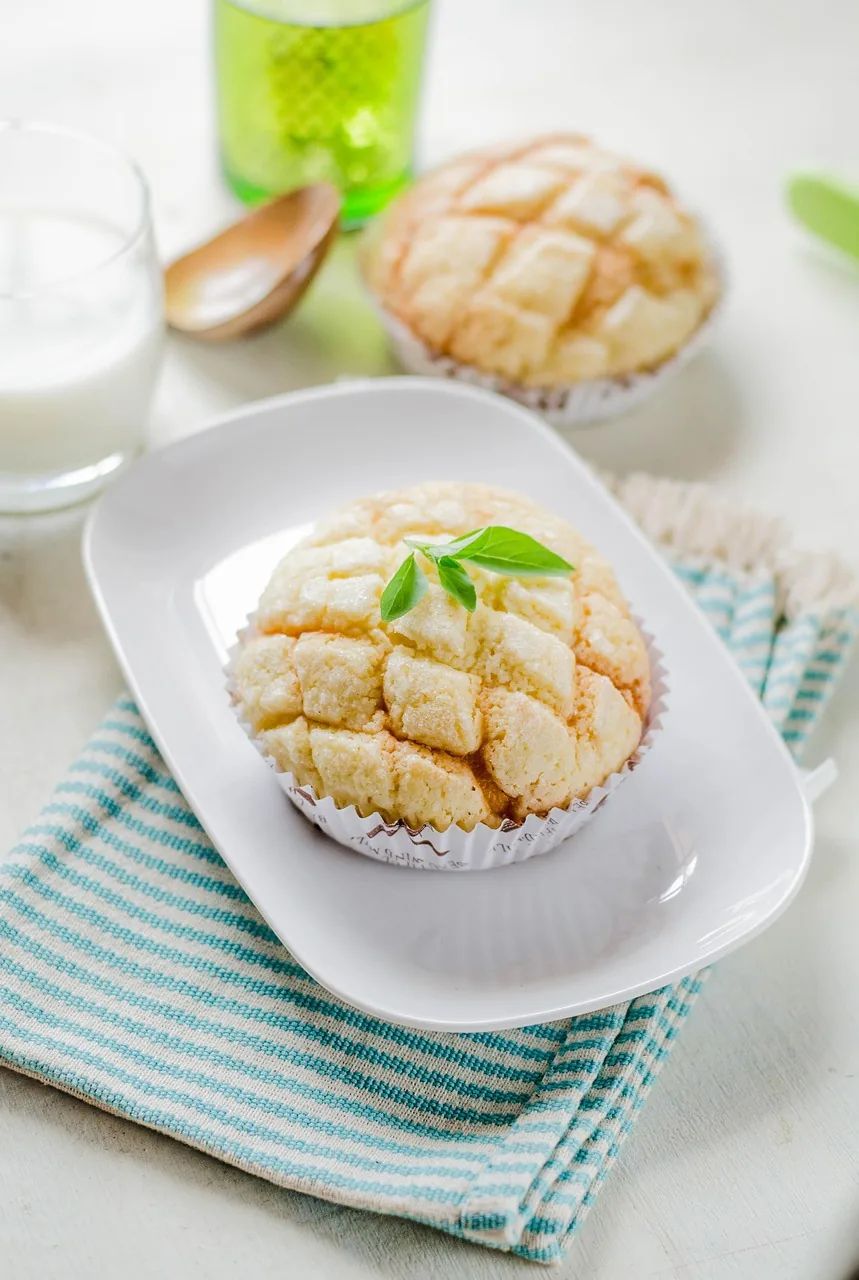
Melonpan (pain melon japonais)
Photo : allanlau2000 / Pixabay
Un pain au lait moelleux enveloppé d'une fine croûte de pâte sablée craquante, marquée en motif de filet de melon, sans melon à l'intérieur.
Portions
Ingrédients
Nutrition
Par portion
Étapes
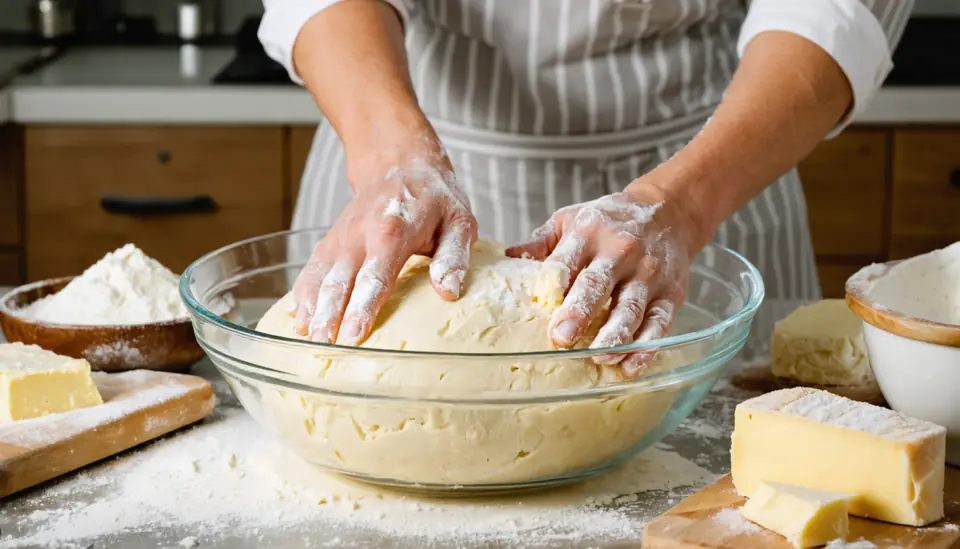
Mix and knead the dough
In a bowl, mix the flour, sugar, salt and yeast, then stir in the egg and warm milk until a rough dough forms. Knead on a lightly floured surface for about 10 minutes, then work in the softened butter a little at a time and keep kneading until the dough is smooth and shiny.
- 300 g bread flour
- 35 g sugar
- 5 g salt
- 6 g instant dry yeast
- 1 egg
- 140 ml warm milk
- 30 g softened butter
✅ C'est prêt quand : the dough is smooth, elastic, and springs back slowly when poked
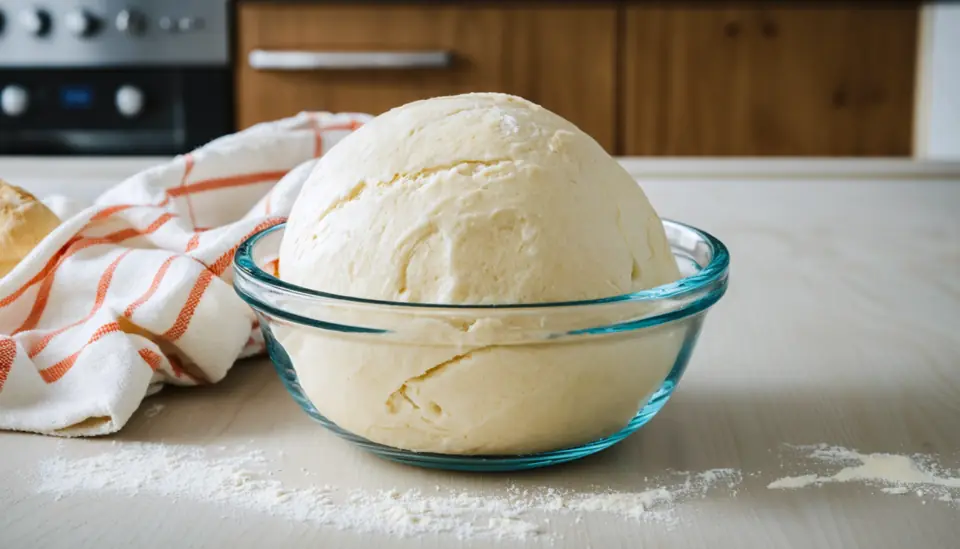
First rise
Shape the dough into a ball and place it in a bowl lightly greased with oil. Cover with plastic wrap or a damp towel and leave in a warm spot (about 27-30°C / 80-86°F) until doubled in size.
- all kneaded dough from step 1
- 1 tsp vegetable oil
✅ C'est prêt quand : the dough has doubled in size and holds a dent when poked
Make the cookie crust
This step is part of Foodie Premium. Subscribe to unlock the full method, cooking mode and every recipe in the library.
Shape the buns
This step is part of Foodie Premium. Subscribe to unlock the full method, cooking mode and every recipe in the library.
Sugar and score
This step is part of Foodie Premium. Subscribe to unlock the full method, cooking mode and every recipe in the library.
Second rise
This step is part of Foodie Premium. Subscribe to unlock the full method, cooking mode and every recipe in the library.
Bake
This step is part of Foodie Premium. Subscribe to unlock the full method, cooking mode and every recipe in the library.
Mix and knead the dough
In a bowl, mix the flour, sugar, salt and yeast, then stir in the egg and warm milk until a rough dough forms. Knead on a lightly floured surface for about 10 minutes, then work in the softened butter a little at a time and keep kneading until the dough is smooth and shiny.
- 300 g bread flour
- 35 g sugar
- 5 g salt
- 6 g instant dry yeast
- 1 egg
- 140 ml warm milk
- 30 g softened butter
✅ C'est prêt quand : the dough is smooth, elastic, and springs back slowly when poked
First rise
Shape the dough into a ball and place it in a bowl lightly greased with oil. Cover with plastic wrap or a damp towel and leave in a warm spot (about 27-30°C / 80-86°F) until doubled in size.
- all kneaded dough from step 1
- 1 tsp vegetable oil
✅ C'est prêt quand : the dough has doubled in size and holds a dent when poked
Make the cookie crust
This step is part of Foodie Premium. Subscribe to unlock the full method, cooking mode and every recipe in the library.
Shape the buns
This step is part of Foodie Premium. Subscribe to unlock the full method, cooking mode and every recipe in the library.
Sugar and score
This step is part of Foodie Premium. Subscribe to unlock the full method, cooking mode and every recipe in the library.
Second rise
This step is part of Foodie Premium. Subscribe to unlock the full method, cooking mode and every recipe in the library.
Bake
This step is part of Foodie Premium. Subscribe to unlock the full method, cooking mode and every recipe in the library.
The Story Behind the Dish
Melonpan takes its name not from flavor but from looks: the crisscrossed, domed crust was thought to resemble the netted skin of a cantaloupe. Bakers in Japan's growing commercial bakeries developed the bun by wrapping a soft milk bread in a thin layer of cookie dough, giving it two textures in one bite — pillowy inside, crackly outside.
From there it spread through neighborhood bakeries, department store food halls and later convenience stores, becoming one of Japan's most recognizable breads. Regional bakeries each guard their own ratio of bread to crust, and some now add real melon flavoring or chocolate chips, though the original has none.
⭐ Why It's Famous
It's loved for its contrast: a crisp, sugar-dusted cookie shell giving way to warm, airy milk bread underneath, plus its instantly recognizable melon-net shape.
💡 Fun Fact
Despite the name and shape, classic melonpan contains no melon at all — the look is purely decorative, inspired by the fruit's netted rind.
Japan
35.68°N, 139.65°E
Recettes similaires
Comments (0)
No comments yet. Be the first to share your thoughts!