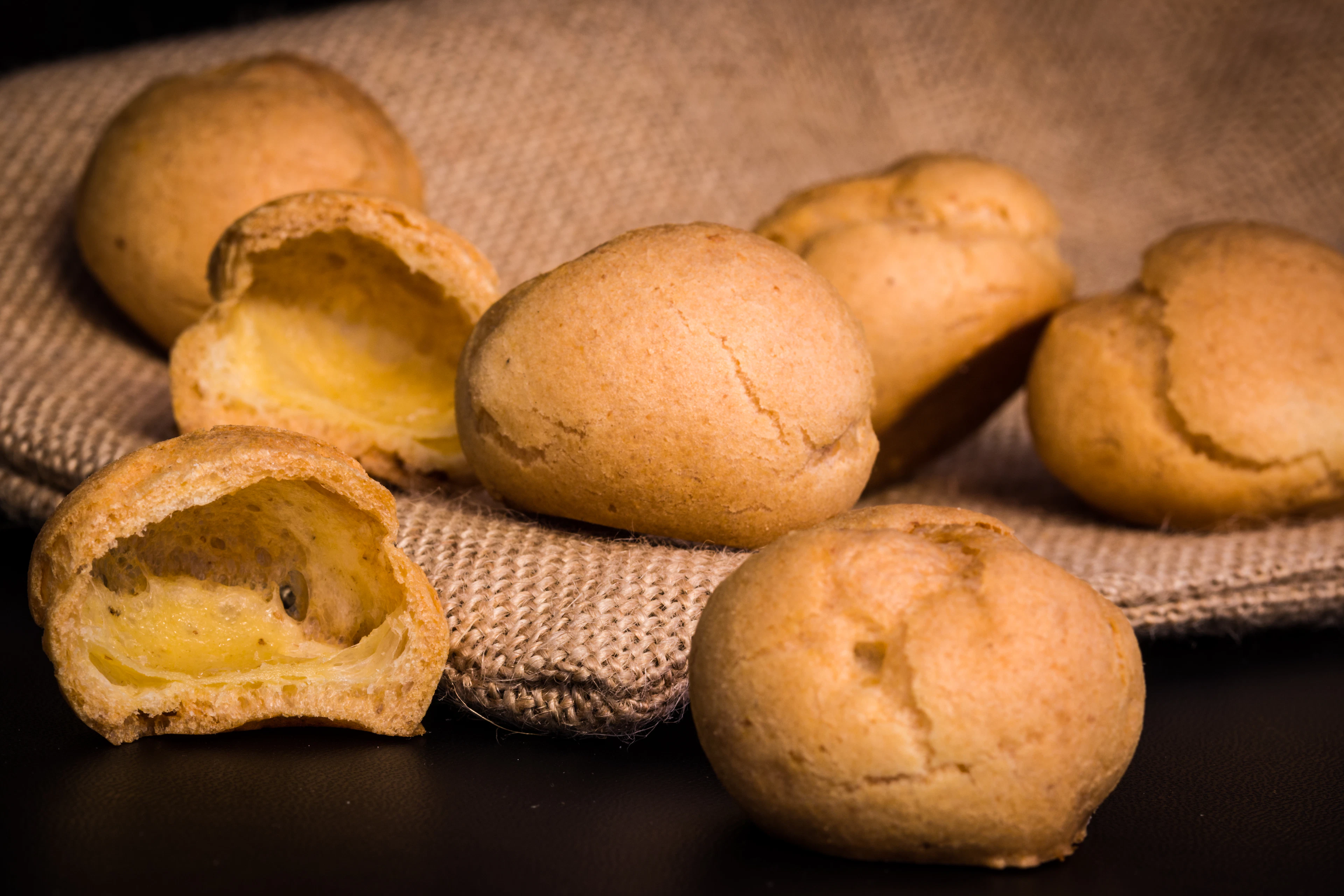
Bâtonnets de manioc au fromage
Photo : Massimo Adami / Unsplash
Petits bâtonnets tendres à base de fécule de manioc, de lait et de fromage, inspirés du pão de queijo brésilien.
Portions
Ingrédients
Nutrition
Par portion
Étapes
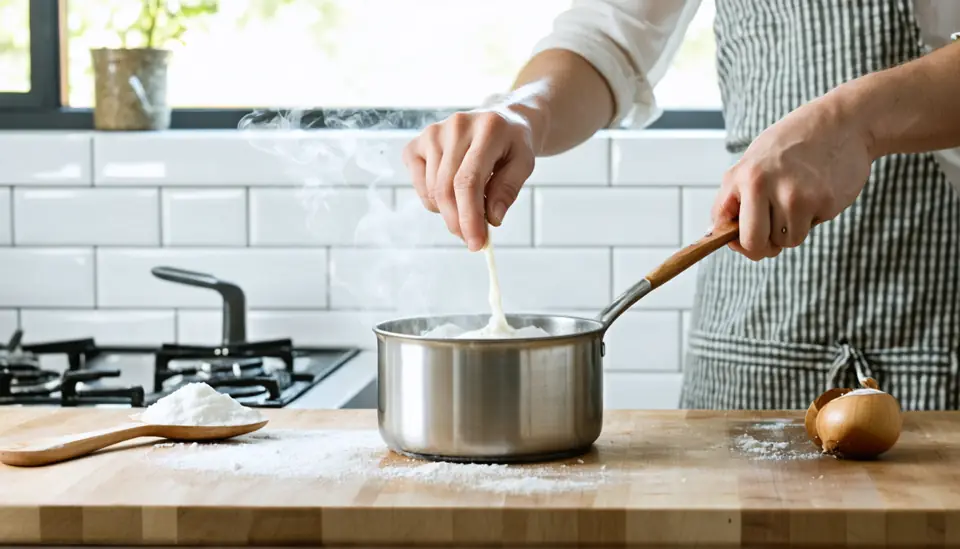
Heat the milk
In a small saucepan over medium heat, bring the milk, oil and salt just to a boil, stirring once or twice.
- 250 ml whole milk
- 60 ml neutral vegetable oil
- 1 small pinch fine salt
✅ C'est prêt quand : the milk just reaches a boil
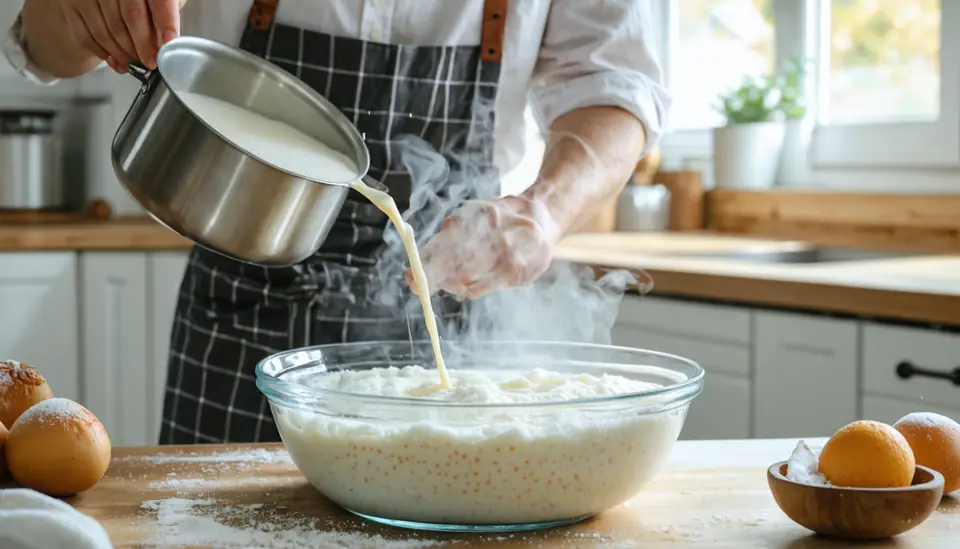
Scald the starch
Put the tapioca starch in a large bowl and pour the hot milk mixture over it all at once. Stir hard with a wooden spoon until it looks like clumpy wet sand, then let it cool for about 10 minutes until just warm to the touch.
- 250 g tapioca starch
- all hot milk mixture from step 1
✅ C'est prêt quand : the dough is only warm to the touch, no longer hot
Knead in egg and cheese
This step is part of Foodie Premium. Subscribe to unlock the full method, cooking mode and every recipe in the library.
Shape the sticks
This step is part of Foodie Premium. Subscribe to unlock the full method, cooking mode and every recipe in the library.
Bake until puffed
This step is part of Foodie Premium. Subscribe to unlock the full method, cooking mode and every recipe in the library.
Serve and store
This step is part of Foodie Premium. Subscribe to unlock the full method, cooking mode and every recipe in the library.
Heat the milk
In a small saucepan over medium heat, bring the milk, oil and salt just to a boil, stirring once or twice.
- 250 ml whole milk
- 60 ml neutral vegetable oil
- 1 small pinch fine salt
✅ C'est prêt quand : the milk just reaches a boil
Scald the starch
Put the tapioca starch in a large bowl and pour the hot milk mixture over it all at once. Stir hard with a wooden spoon until it looks like clumpy wet sand, then let it cool for about 10 minutes until just warm to the touch.
- 250 g tapioca starch
- all hot milk mixture from step 1
✅ C'est prêt quand : the dough is only warm to the touch, no longer hot
Knead in egg and cheese
This step is part of Foodie Premium. Subscribe to unlock the full method, cooking mode and every recipe in the library.
Shape the sticks
This step is part of Foodie Premium. Subscribe to unlock the full method, cooking mode and every recipe in the library.
Bake until puffed
This step is part of Foodie Premium. Subscribe to unlock the full method, cooking mode and every recipe in the library.
Serve and store
This step is part of Foodie Premium. Subscribe to unlock the full method, cooking mode and every recipe in the library.
The Story Behind the Dish
Pão de queijo was born in the farmhouses of Minas Gerais, where cassava (mandioca) was a staple crop long before the Portuguese arrived, and tapioca starch extracted from its root was already used by indigenous communities. Over time, farm cooks began mixing the starch with milk, eggs and local fresh cheese to make small baked rolls that could be prepared easily in wood-fired ovens.
The snack spread from rural kitchens to bakeries and cities across Brazil, becoming a breakfast and teatime staple nationwide. These finger-stick versions follow the same simple method, shaped for little hands to hold easily.
⭐ Why It's Famous
Pão de queijo is loved for its chewy, stretchy inside and crisp cheesy crust, and because it is naturally gluten-free, made entirely from tapioca starch rather than wheat flour.
💡 Fun Fact
The dough is traditionally scalded with hot milk before kneading, which is what gives the baked rolls their distinctive stretchy, elastic texture.
Minas Gerais, Brazil
-18.51°S, -44.55°W
Recettes similaires

Comments (0)
No comments yet. Be the first to share your thoughts!