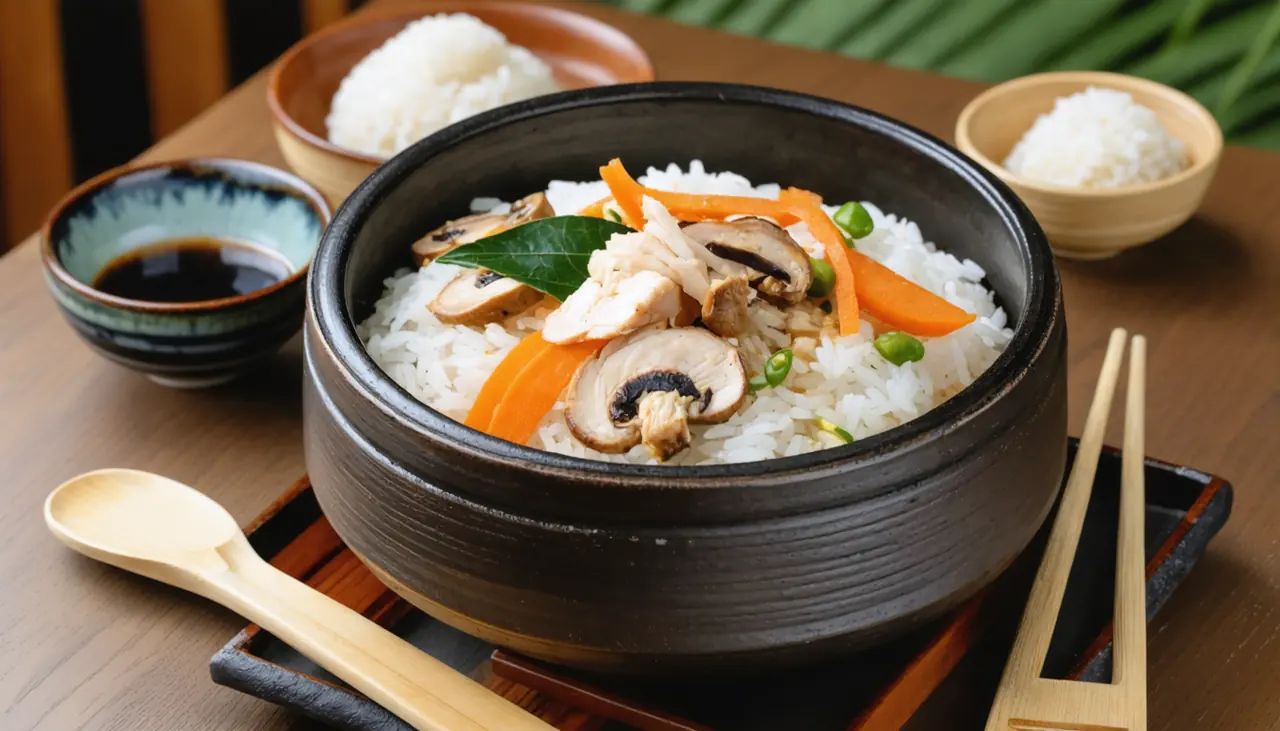
Takikomi Gohan (Japanese Savory Mixed Rice)
Short-grain rice simmered in dashi seasoned with soy sauce, mirin and sake, studded with chicken, shiitake mushrooms, carrot and fried tofu. A comforting one-pot rice dish that tastes of home cooking in Japan.
Servings
Ingredients
Nutrition
Per serving
Steps
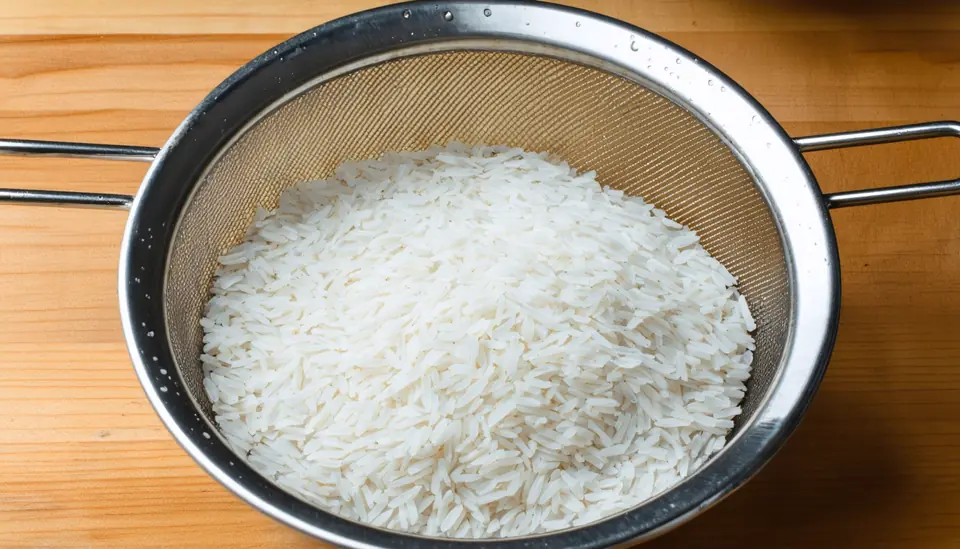
Rinse and rest the rice
Rinse the rice in a sieve under cold water, swishing gently until the water runs almost clear. Drain well and let it sit in the sieve for 20 minutes so the grains absorb a little moisture and cook evenly instead of staying hard in the center.
- 360 g rice
✅ Done when: water runs almost clear and rice has rested 20 minutes
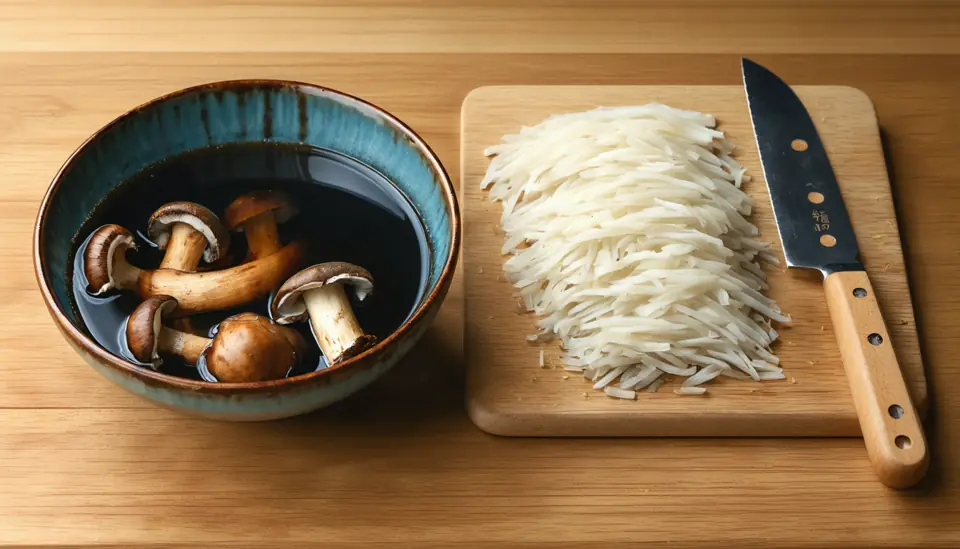
Soak the shiitake
Put the dried in the warm water and let them soften for 20 minutes. Squeeze them gently over the bowl to save the liquid, then slice the thinly; keep the soaking liquid, it becomes part of the cooking liquid.
- 5 dried
- 300 ml warm water
✅ Done when: shiitake are soft and pliable
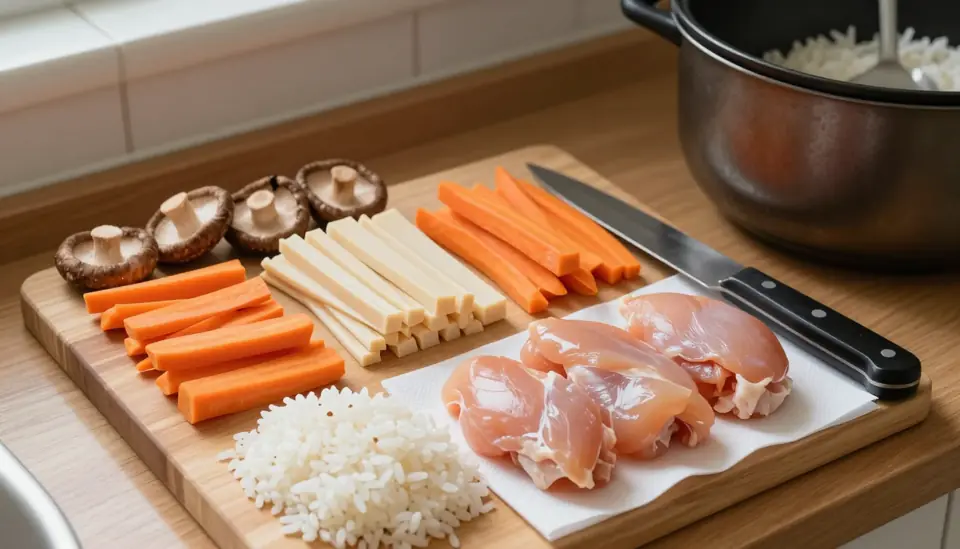
Prep the rest
While the rice and rest, cut the carrot into thin matchsticks and the into thin strips. Pat the chicken pieces dry and keep them small and even so they cook through in the time the rice needs.
- 80 g carrot
- 1 sheet
- 150 g chicken thigh
✅ Done when: carrot and aburaage are cut into thin, even pieces and chicken is dry and cut into small, even bites
Build the cooking liquid
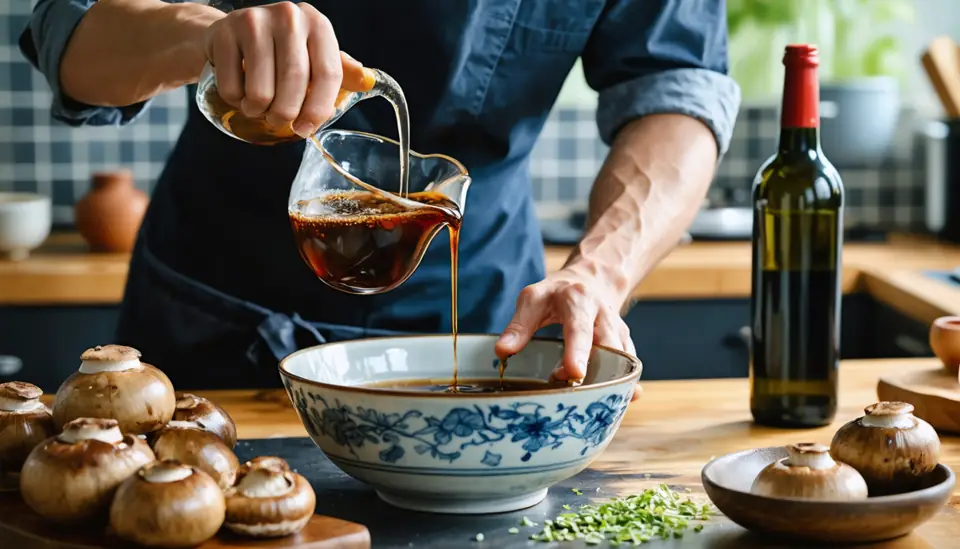
Measure the soaking liquid and top it up with until you have about 360 ml of liquid for 360 g of rice. Stir in the soy sauce, , and salt; the vegetables and will add their own moisture as they cook.
- about 260 ml soaking liquid from step 2
- about 100 ml
- 2 tbsp soy sauce
- 1 tbsp
- 1 tbsp
- 1/2 tsp salt
✅ Done when: liquid measures about 360 ml and the seasonings are fully stirred in
Layer, don't stir
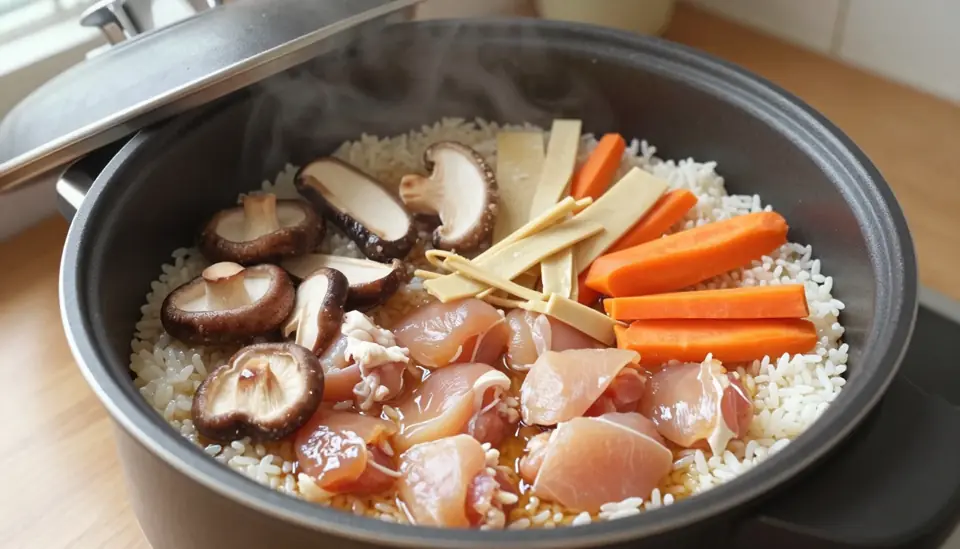
Put the drained rice in the rice cooker or a heavy pot about 18-20 cm (7-8 inch) across and pour the seasoned liquid over it. Scatter the chicken, , carrot and evenly on top without mixing them in, so they steam over the rice while it cooks underneath. If using a rice cooker, run it on the normal setting. On the stove, cover, bring to a boil over high heat, then lower the heat to a bare simmer (about 90°C/194°F) and cook for 15 minutes without lifting the lid.
- 360 g rinsed rice from step 1
- about 360 ml seasoned liquid from step 4
- 150 g chicken thigh
- 5 sliced from step 2
- 80 g carrot
- 1 sheet
✅ Done when: steam escapes steadily from under the lid and 15 minutes have passed
Rest off the heat
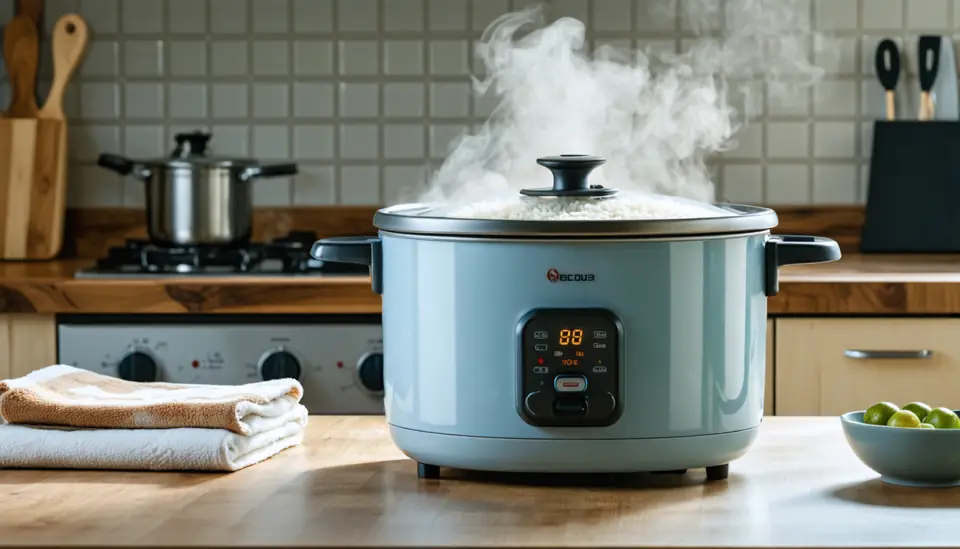
Turn off the heat and let the pot stand, covered, for 10 minutes. This finishes cooking the chicken in the trapped steam and lets the rice firm up so it isn't wet or mushy.
- 150 g chicken thigh (checking doneness)
✅ Done when: chicken is opaque all the way through (about 74°C/165°F)
Fluff and serve
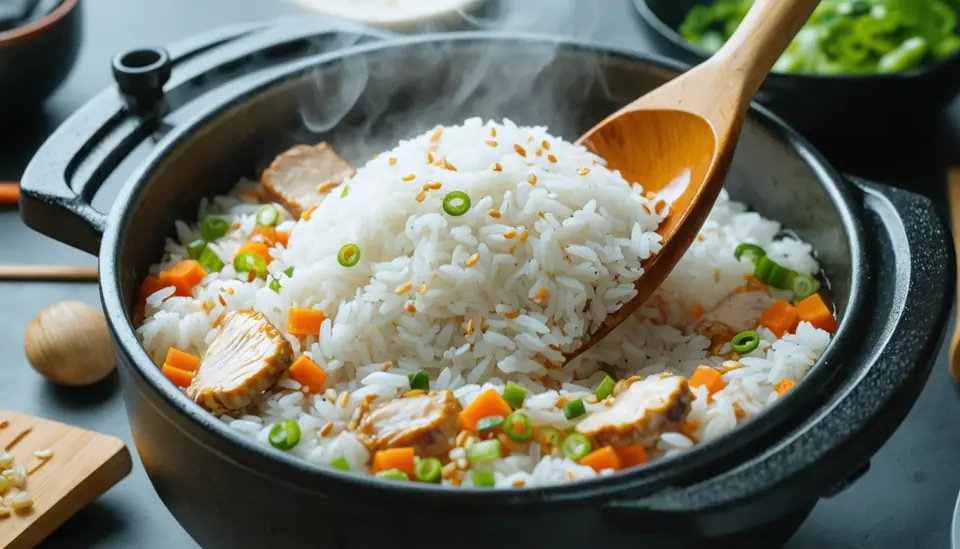
Fluff the rice with a rice paddle using gentle cutting and lifting motions, bringing the toppings up from the bottom so everything is evenly distributed without crushing the grains. Serve hot, scattered with scallions and sesame seeds.
- all cooked rice and toppings from step 6
- 2 scallions
- 1 tsp toasted sesame seeds
Rinse and rest the rice
Rinse the rice in a sieve under cold water, swishing gently until the water runs almost clear. Drain well and let it sit in the sieve for 20 minutes so the grains absorb a little moisture and cook evenly instead of staying hard in the center.
- 360 g rice
✅ Done when: water runs almost clear and rice has rested 20 minutes
Soak the shiitake
Put the dried in the warm water and let them soften for 20 minutes. Squeeze them gently over the bowl to save the liquid, then slice the thinly; keep the soaking liquid, it becomes part of the cooking liquid.
- 5 dried
- 300 ml warm water
✅ Done when: shiitake are soft and pliable
Prep the rest
While the rice and rest, cut the carrot into thin matchsticks and the into thin strips. Pat the chicken pieces dry and keep them small and even so they cook through in the time the rice needs.
- 80 g carrot
- 1 sheet
- 150 g chicken thigh
✅ Done when: carrot and aburaage are cut into thin, even pieces and chicken is dry and cut into small, even bites
Build the cooking liquid
Measure the soaking liquid and top it up with until you have about 360 ml of liquid for 360 g of rice. Stir in the soy sauce, , and salt; the vegetables and will add their own moisture as they cook.
- about 260 ml soaking liquid from step 2
- about 100 ml
- 2 tbsp soy sauce
- 1 tbsp
- 1 tbsp
- 1/2 tsp salt
✅ Done when: liquid measures about 360 ml and the seasonings are fully stirred in
Layer, don't stir
Put the drained rice in the rice cooker or a heavy pot about 18-20 cm (7-8 inch) across and pour the seasoned liquid over it. Scatter the chicken, , carrot and evenly on top without mixing them in, so they steam over the rice while it cooks underneath. If using a rice cooker, run it on the normal setting. On the stove, cover, bring to a boil over high heat, then lower the heat to a bare simmer (about 90°C/194°F) and cook for 15 minutes without lifting the lid.
- 360 g rinsed rice from step 1
- about 360 ml seasoned liquid from step 4
- 150 g chicken thigh
- 5 sliced from step 2
- 80 g carrot
- 1 sheet
✅ Done when: steam escapes steadily from under the lid and 15 minutes have passed
Rest off the heat
Turn off the heat and let the pot stand, covered, for 10 minutes. This finishes cooking the chicken in the trapped steam and lets the rice firm up so it isn't wet or mushy.
- 150 g chicken thigh (checking doneness)
✅ Done when: chicken is opaque all the way through (about 74°C/165°F)
Fluff and serve
Fluff the rice with a rice paddle using gentle cutting and lifting motions, bringing the toppings up from the bottom so everything is evenly distributed without crushing the grains. Serve hot, scattered with scallions and sesame seeds.
- all cooked rice and toppings from step 6
- 2 scallions
- 1 tsp toasted sesame seeds
The Story Behind the Dish
Takikomi gohan grew out of a long tradition of stretching precious white rice by cooking it with whatever vegetables, mushrooms or fish were on hand, especially in farming and fishing households where rice was costly. Over time it became a way to showcase the best of each season, from spring bamboo shoots to autumn mushrooms and chestnuts.
Every region and every household has its own version, built on the same idea: rice, dashi, a little soy sauce, and seasonal ingredients cooked together in one pot so every grain carries the flavor.
⭐ Why It's Famous
It turns a simple bowl of rice into a complete, deeply savory meal, and it's one of the dishes that best shows how Japanese home cooking lets a good dashi do the work.
💡 Fun Fact
The name comes from taku (to cook rice) and komu (to put in), literally meaning rice cooked with things mixed in.
Japan, nationwide
35.68°N, 139.65°E
Related recipes
Comments (0)
No comments yet. Be the first to share your thoughts!