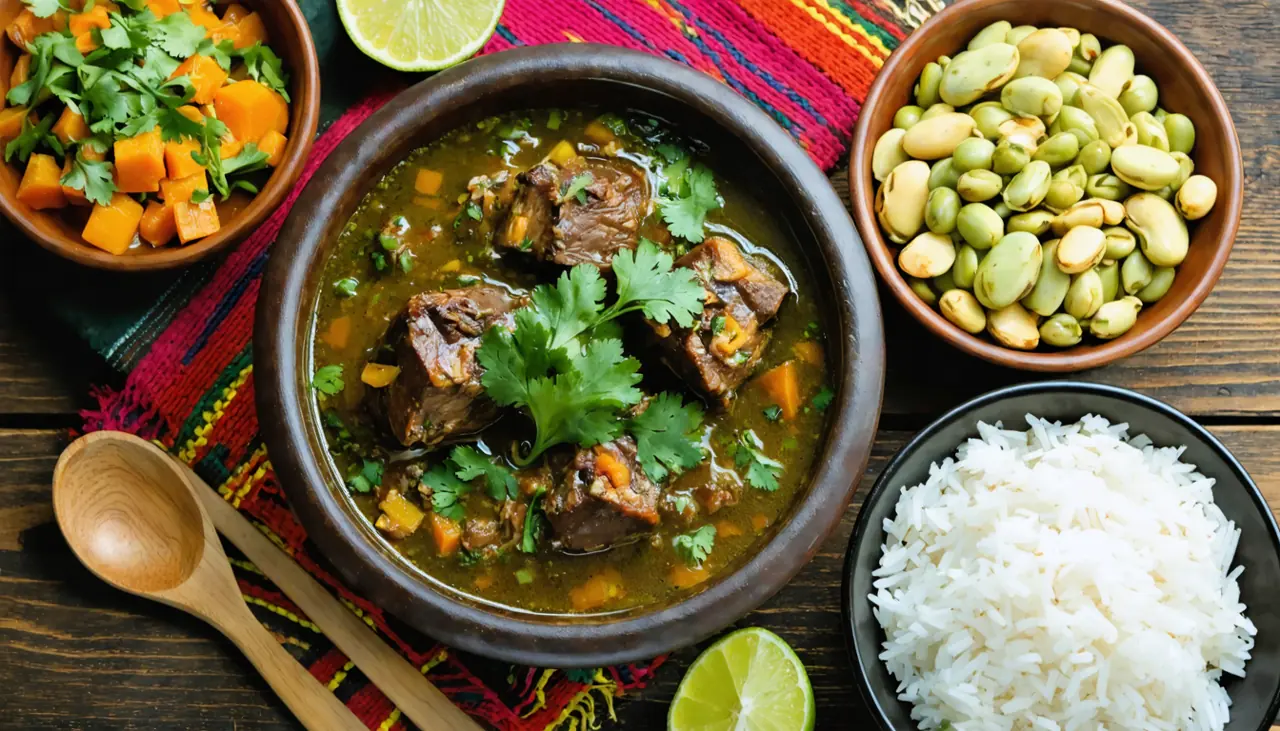
Goat Stew in Cilantro Sauce (Seco de Cabrito)
Baby goat marinated in chicha de jora and braised until it falls off the bone, in a vivid, herby cilantro sauce. The signature dish of Peru's dry northern coast, served with rice and beans.
Servings
Ingredients
Nutrition
Per serving
Steps
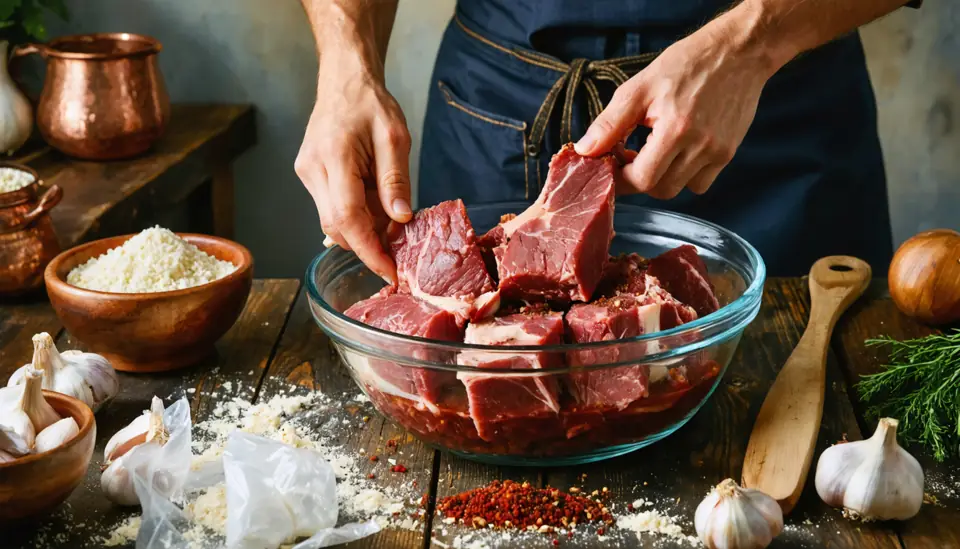
Marinate the goat
In a large bowl, mix the goat pieces with the , half the garlic, the cumin, salt and pepper. Cover and refrigerate for at least 2 hours, ideally overnight, to tenderize the meat and build flavor.
- 1.5 kg goat
- 500 ml
- 4 cloves garlic
- 1 tsp cumin
- 1 tsp salt
- 1/2 tsp black pepper
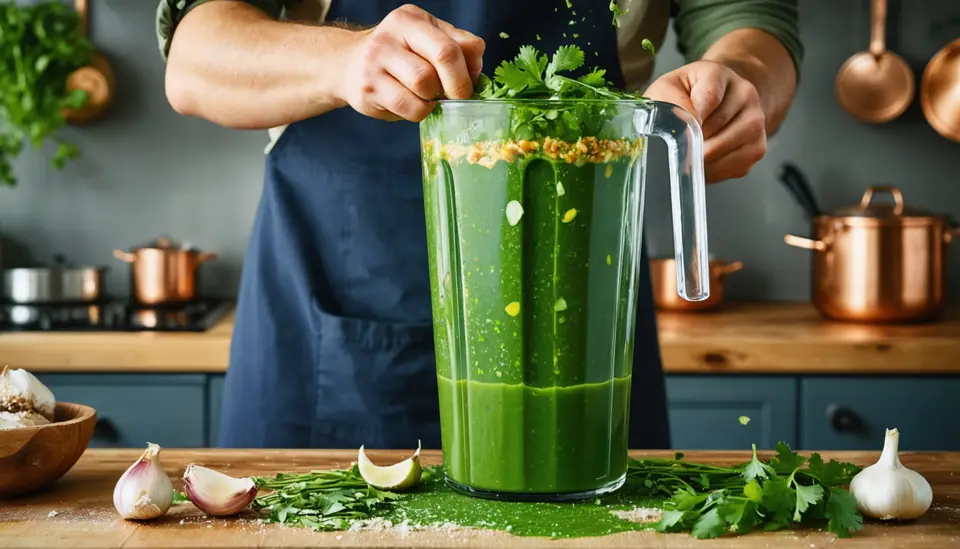
Blend the cilantro sauce
Lift the goat out of the marinade and set the marinade aside. Blend the cilantro with the remaining garlic and a splash of the reserved marinade until smooth.
- 150 g cilantro
- 4 cloves garlic
- a splash reserved marinade from step 1
✅ Done when: smooth, bright green sauce
Build the sofrito
This step is part of Foodie Premium. Subscribe to unlock the full method, cooking mode and every recipe in the library.
Brown the goat
This step is part of Foodie Premium. Subscribe to unlock the full method, cooking mode and every recipe in the library.
Braise until tender
This step is part of Foodie Premium. Subscribe to unlock the full method, cooking mode and every recipe in the library.
Add the vegetables
This step is part of Foodie Premium. Subscribe to unlock the full method, cooking mode and every recipe in the library.
Serve and enjoy
This step is part of Foodie Premium. Subscribe to unlock the full method, cooking mode and every recipe in the library.
Marinate the goat
In a large bowl, mix the goat pieces with the , half the garlic, the cumin, salt and pepper. Cover and refrigerate for at least 2 hours, ideally overnight, to tenderize the meat and build flavor.
- 1.5 kg goat
- 500 ml
- 4 cloves garlic
- 1 tsp cumin
- 1 tsp salt
- 1/2 tsp black pepper
Blend the cilantro sauce
Lift the goat out of the marinade and set the marinade aside. Blend the cilantro with the remaining garlic and a splash of the reserved marinade until smooth.
- 150 g cilantro
- 4 cloves garlic
- a splash reserved marinade from step 1
✅ Done when: smooth, bright green sauce
Build the sofrito
This step is part of Foodie Premium. Subscribe to unlock the full method, cooking mode and every recipe in the library.
Brown the goat
This step is part of Foodie Premium. Subscribe to unlock the full method, cooking mode and every recipe in the library.
Braise until tender
This step is part of Foodie Premium. Subscribe to unlock the full method, cooking mode and every recipe in the library.
Add the vegetables
This step is part of Foodie Premium. Subscribe to unlock the full method, cooking mode and every recipe in the library.
Serve and enjoy
This step is part of Foodie Premium. Subscribe to unlock the full method, cooking mode and every recipe in the library.
The Story Behind the Dish
Goats arrived in Peru with Spanish colonizers and found their home on the dry northern coast around Chiclayo and Lambayeque, grazing freely among algarrobo (carob) trees that are said to give the meat its distinct, sweetish flavor. Local cooks took this new meat and paired it with two things already deeply rooted in the land: chicha de jora, the fermented corn beer brewed since pre-Columbian times, and the generous use of fresh cilantro that still defines northern Peruvian cooking.
Over generations, seco de cabrito became the centerpiece of family celebrations and the chicherías of Lambayeque, almost always served with rice and canary beans. Today it is considered one of the great dishes of northern Peru, and a point of pride wherever Peruvians cook from that region.
⭐ Why It's Famous
It's loved for its vivid green sauce, the meltingly tender meat that falls apart at the touch of a fork, and the gentle sour-sweet depth the chicha de jora marinade gives the whole dish.
💡 Fun Fact
Lambayeque is often called the heartland of seco de cabrito, and goats raised there feeding on fallen algarrobo pods are specifically prized by cooks for their milder, slightly sweet meat.
Lambayeque region, northern Peru
-6.77°S, -79.84°W
Related recipes
Comments (0)
No comments yet. Be the first to share your thoughts!