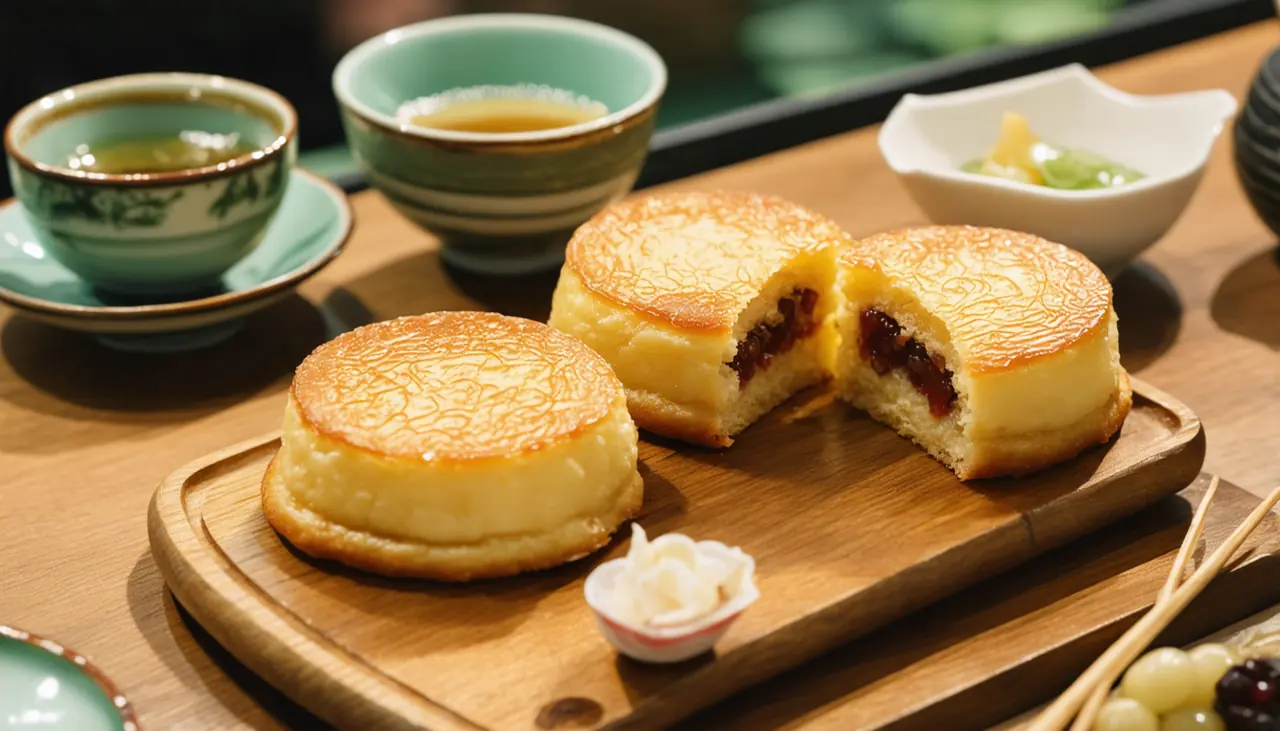
Imagawayaki (Round Griddled Cakes with Sweet Red Bean Filling)
Thick, fluffy pancake batter griddled in rings until deep golden on both sides, hiding a warm pocket of sweet red bean paste inside. A classic Japanese street-stall snack, best eaten fresh off the pan.
Servings
Ingredients
Nutrition
Per serving
Steps
Mix the batter
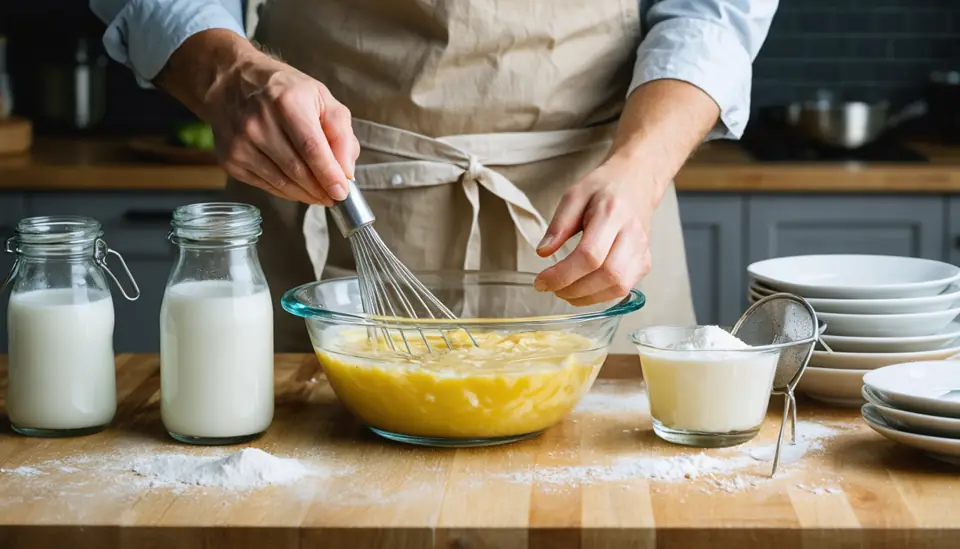
In a bowl, whisk the egg with the sugar and honey until smooth, then whisk in the milk. Sift the flour, baking powder and salt over the top and fold in gently until no dry streaks remain, then rest the batter 15 minutes so the cakes bake up tender.
- 1 egg
- 60 g sugar
- 1 tbsp honey
- 120 ml milk
- 150 g flour
- 1 tsp baking powder
- 1 pinch salt
✅ Done when: batter is smooth, a few small lumps are fine, and it has rested the full time
Shape the filling
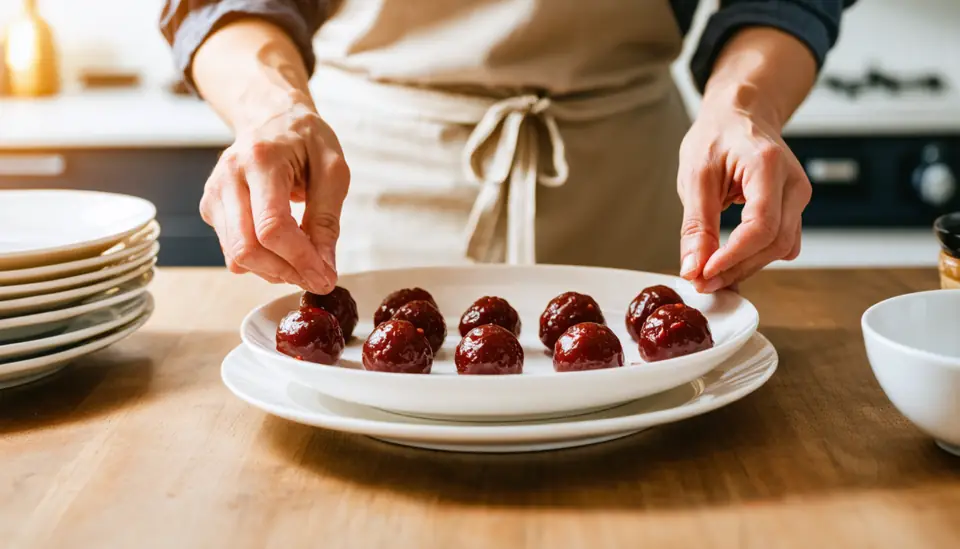
While the batter rests, divide the red bean paste into 10 equal portions and roll each into a soft ball with your hands. Keeping the filling pre-shaped lets you work quickly once the pan is hot.
- 300 g red bean paste
✅ Done when: 10 smooth, even balls of filling are ready
Heat the pan and rings
This step is part of Foodie Premium. Subscribe to unlock the full method, cooking mode and every recipe in the library.
Cook the base
This step is part of Foodie Premium. Subscribe to unlock the full method, cooking mode and every recipe in the library.
Fill and cover
This step is part of Foodie Premium. Subscribe to unlock the full method, cooking mode and every recipe in the library.
Flip and finish
This step is part of Foodie Premium. Subscribe to unlock the full method, cooking mode and every recipe in the library.
Serve warm
This step is part of Foodie Premium. Subscribe to unlock the full method, cooking mode and every recipe in the library.
Mix the batter
In a bowl, whisk the egg with the sugar and honey until smooth, then whisk in the milk. Sift the flour, baking powder and salt over the top and fold in gently until no dry streaks remain, then rest the batter 15 minutes so the cakes bake up tender.
- 1 egg
- 60 g sugar
- 1 tbsp honey
- 120 ml milk
- 150 g flour
- 1 tsp baking powder
- 1 pinch salt
✅ Done when: batter is smooth, a few small lumps are fine, and it has rested the full time
Shape the filling
While the batter rests, divide the red bean paste into 10 equal portions and roll each into a soft ball with your hands. Keeping the filling pre-shaped lets you work quickly once the pan is hot.
- 300 g red bean paste
✅ Done when: 10 smooth, even balls of filling are ready
Heat the pan and rings
This step is part of Foodie Premium. Subscribe to unlock the full method, cooking mode and every recipe in the library.
Cook the base
This step is part of Foodie Premium. Subscribe to unlock the full method, cooking mode and every recipe in the library.
Fill and cover
This step is part of Foodie Premium. Subscribe to unlock the full method, cooking mode and every recipe in the library.
Flip and finish
This step is part of Foodie Premium. Subscribe to unlock the full method, cooking mode and every recipe in the library.
Serve warm
This step is part of Foodie Premium. Subscribe to unlock the full method, cooking mode and every recipe in the library.
The Story Behind the Dish
Imagawayaki takes its name from the Imagawabashi bridge in the Kanda district of Edo (old Tokyo), where street vendors are said to have first sold these griddled cakes to passersby. They quickly became a popular everyday treat, cooked to order in heavy iron molds and handed over still warm, wrapped in paper.
The same cake is known by different names across Japan — oban-yaki, kaiten-yaki, or jiman-yaki — each region claiming its own version, but the method stays the same: a thick batter poured into a round mold, filled with sweet red bean paste, and griddled on both sides until deeply golden.
⭐ Why It's Famous
It's loved for the contrast between the crisp, golden pancake shell and the soft, warm red bean filling inside, and for the nostalgic smell of batter cooking on a street-stall griddle.
💡 Fun Fact
In parts of Japan the same cake is called taiko-manju, 'drum manju', because the round, slightly domed shape and the sound of tapping the iron molds reminded people of a drum.
Kanda, Tokyo
35.69°N, 139.77°E
Related recipes
Comments (0)
No comments yet. Be the first to share your thoughts!